
Film photography has experienced a remarkable comeback in recent years. Many photographers are rediscovering the unique colors, textures, and nostalgic feel that film provides. However, capturing images on film is only part of the process. To bring those images to life, the film must be developed correctly. This is where C-41 Film Developing plays an important role.
Whether you are new to film photography or returning after years of shooting digitally, understanding C-41 Film Developing can help you achieve better image quality and preserve your memories. In this guide, we’ll explain what it is, how it works, its benefits, common challenges, and why professional development services remain valuable today.
Understanding C-41 Film Developing
What Is C-41 Film Developing?
C-41 Film Developing is the standard chemical process used to develop color negative film. Introduced by Kodak in the 1970s, the C-41 process became the industry standard because it provides consistent color reproduction, reliable results, and compatibility across many film brands.
Today, most color negative films from major manufacturers can be processed using the C-41 method. This standardization allows photographers to develop their film at professional labs worldwide.
How Does C-41 Film Developing Work?
The process involves several carefully controlled chemical steps:
- Film is loaded into a light-proof developing tank.
- A color developer creates the image.
- Bleach removes unwanted silver from the film.
- Fixer stabilizes the image.
- The film is washed and dried.
Temperature control is critical during every stage. Even small variations can affect color accuracy and image quality.
Why C-41 Film Developing Matters
Film development is just as important as capturing the image itself. Even the best photographs can be ruined by poor processing.
Professional C-41 Film Developing helps ensure:
- Accurate colors
- Proper contrast
- Consistent image quality
- Long-term preservation
- Reliable results across multiple rolls
For photographers who value image quality, proper development is essential.
Benefits of C-41 Film Developing
Consistent Color Reproduction
One of the biggest advantages of C-41 Film Developing is color consistency. The standardized process helps produce predictable results regardless of the film brand used.
Photographers can trust that their images will closely reflect the colors captured during shooting.
Wide Compatibility
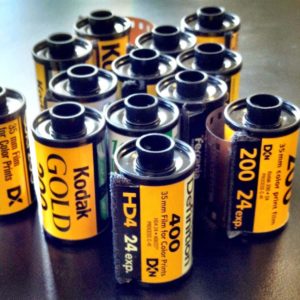
Many popular color negative films are designed specifically for the C-41 process. This makes it one of the most accessible film development methods available.
Common compatible films include:
- Kodak Portra
- Kodak Gold
- Kodak ColorPlus
- Fujifilm 400
- Fujifilm Superia
Professional-Quality Results
When performed correctly, C-41 Film Developing delivers:
- Sharp images
- Rich colors
- Smooth tonal transitions
- Excellent detail retention
These qualities make it a preferred choice for both hobbyists and professionals.
Long-Term Image Preservation
Properly developed and stored negatives can last for decades. This makes film photography an excellent medium for preserving important memories and artistic work.
Common Challenges in C-41 Film Developing
While the process is standardized, several challenges can affect results.
1. Temperature Control Issues
The chemicals used in C-41 Film Developing require precise temperatures. If temperatures fluctuate, colors may shift and image quality may decline.
2. Chemical Contamination
Mixing chemicals accidentally or using expired solutions can lead to poor results.
Common issues include:
- Color casts
- Reduced contrast
- Uneven development
3. Improper Film Handling
Film is sensitive to light and physical damage. Improper handling during development can cause scratches, dust spots, and unwanted marks.
4. Inconsistent Home Processing
Many photographers attempt DIY development. While possible, maintaining consistent quality can be difficult without specialized equipment and experience.
Professional vs. DIY C-41 Film Developing
Benefits of Professional Development
Professional labs offer several advantages:
a. Advanced Equipment
Professional laboratories use calibrated equipment designed for precise chemical control.
b. Experienced Technicians
Skilled technicians understand how to achieve consistent results across different film types.
c. High-Quality Scanning
Many labs provide high-resolution scans alongside development services, making it easier to share and archive images.
d. Time Savings
Professional processing eliminates the need to purchase chemicals, maintain equipment, and monitor temperatures.
When DIY Development Makes Sense
Home development may appeal to photographers who:
- Enjoy learning the entire film workflow
- Develop film regularly
- Want complete creative control
- Have access to proper equipment
However, beginners often achieve more reliable results through professional services.
Best Practices for C-41 Film Developing
To get the best possible results, follow these recommendations:
1. Store Film Properly
Keep film in a cool, dry environment before use.
2. Avoid Delays in Processing
Develop exposed film as soon as possible to preserve image quality.
3. Choose Reputable Development Services
A trusted lab can significantly impact the final outcome of your photographs.
4. Handle Negatives Carefully
After development:
- Use clean hands or gloves
- Store negatives in archival sleeves
- Protect them from dust and moisture
Request High-Resolution Scans
Digital scans make it easier to edit, print, and share your images while preserving the original negatives.
Expert Tips for Better Film Photography Results
Professional photographers often recommend:
1. Expose Film Correctly
Accurate exposure provides the best foundation for successful development.
2. Use Quality Film Stocks
Premium films often produce superior color, detail, and dynamic range.
3. Keep Notes During Shoots
Recording camera settings and lighting conditions can help improve future results.
4. Build a Relationship with Your Lab
Working consistently with a trusted film lab allows technicians to understand your preferences and deliver more tailored results.
The Future of Film Photography and C-41 Film Developing
Despite advances in digital photography, film continues to attract new enthusiasts. Many photographers appreciate the creative process, unique image characteristics, and tangible nature of film.
As interest in analog photography grows, C-41 Film Developing remains one of the most important services supporting the film photography community.
Professional labs continue to modernize their equipment while preserving the traditional techniques that make film photography special.
Conclusion
Understanding C-41 Film Developing is essential for anyone interested in color film photography. This standardized process ensures reliable color reproduction, professional-quality images, and long-term preservation of your negatives. Whether you choose professional processing or explore home development, knowing how the process works will help you make better decisions and achieve the best possible results from your film photography journey.
Ready to bring your film images to life with professional-quality results? Trust the experts at Photo 60 Studio for reliable C-41 Film Developing, accurate color reproduction, and high-quality scanning services. Contact Photo 60 Studio today to learn more about their film processing solutions and give your photographs the professional treatment they deserve.

0 Comments